

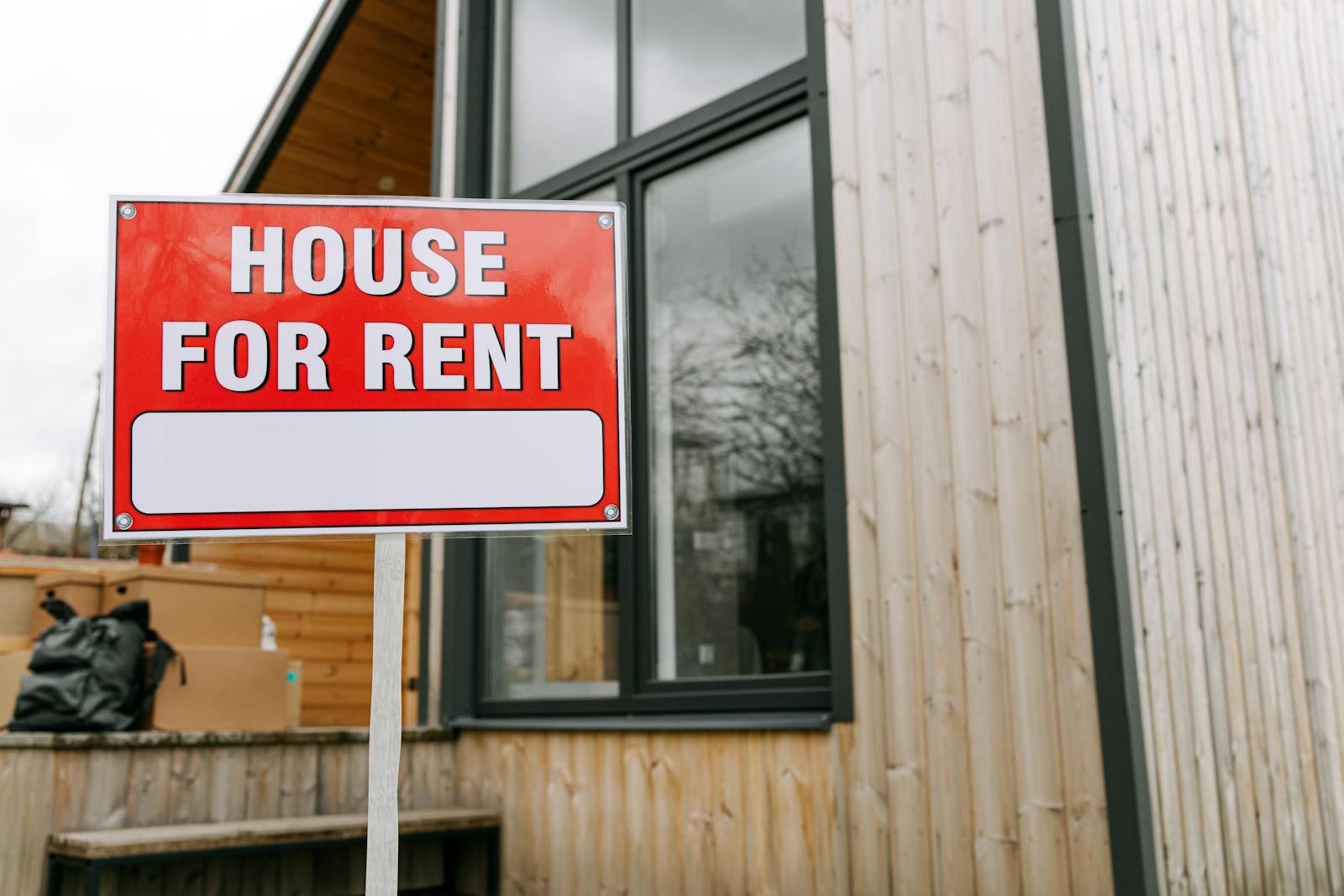
Buying your first investment property is exciting — but before you start scrolling listings or calculating mortgage payments, there are a few bigger-picture decisions that matter even more.
The best investment property isn’t always the one with the highest rent, the lowest price, or the nicest finishes.
It’s the one that matches your goals.
Here are the conversations every first-time investor should have before buying.
1. Define Your End Goal First
Before choosing a property, decide what success looks like.
Ask yourself:
Do I want monthly income now?
Do I want long-term wealth growth?
Am I hoping this becomes a retirement strategy?
Do I eventually want multiple properties?
Could I see myself living in this property one day?
Your answer changes everything.
Someone focused on monthly cash flow may buy very differently than someone focused on long-term appreciation.
Before choosing a property, decide what success looks like.
Equity Growth Focus
Goal: Build wealth through property appreciation and mortgage paydown.
You might prioritize:
Desirable locations
Areas with future development
Properties with long-term growth potential
Homes with renovation upside
Monthly numbers may be tighter — but the long-term gains can be meaningful.
Neither approach is right or wrong. The key is buying intentionally.
3. Know Your Ideal Tenant Before You Buy
One mistake first-time investors make: buying a property first and figuring out the tenant later.
Instead, reverse it.
Ask:
Who would want to live here?
Young professionals?
Families?
Students?
Retirees?
Seasonal renters?
Your ideal tenant impacts:
Property type
Location
Number of bedrooms
Finishes and maintenance
Expected turnover
The easiest rental to manage is often the one designed around a very specific renter.
4. Think Beyond the Mortgage Payment
Many first-time investors underestimate true ownership costs.
Budget for:
Property taxes
Insurance
Utilities (if included)
Repairs and maintenance
Vacancy periods
Property management (if applicable)
Capital expenses over time
A property that looks profitable on paper can feel very different once real expenses show up.
5. Be Honest About How Hands-On You Want to Be
Do you want:
A mostly passive investment?
To manage tenants yourself?
To renovate and increase value?
Something turnkey and low maintenance?
Your lifestyle matters.
An investment should support your life — not become another full-time job.
6. Buy for Today — But Leave Room for Tomorrow
Your first investment property probably won’t be your forever strategy.
Look for flexibility.
Can:
Rent support itself if interest rates change?
The layout attract multiple tenant types?
The property adapt over time?
Strong investments often give you options.
Final Thoughts
Your first investment property doesn’t need to be perfect.
It needs to align with your goals, your risk tolerance, and your long-term plan.
The investors who tend to do best aren’t the ones who buy fastest.
They’re the ones who buy with a clear strategy.
Thinking about your first investment purchase and not sure which approach fits your goals? Let’s talk through the options before you start shopping.

Comments:
Post Your Comment: