

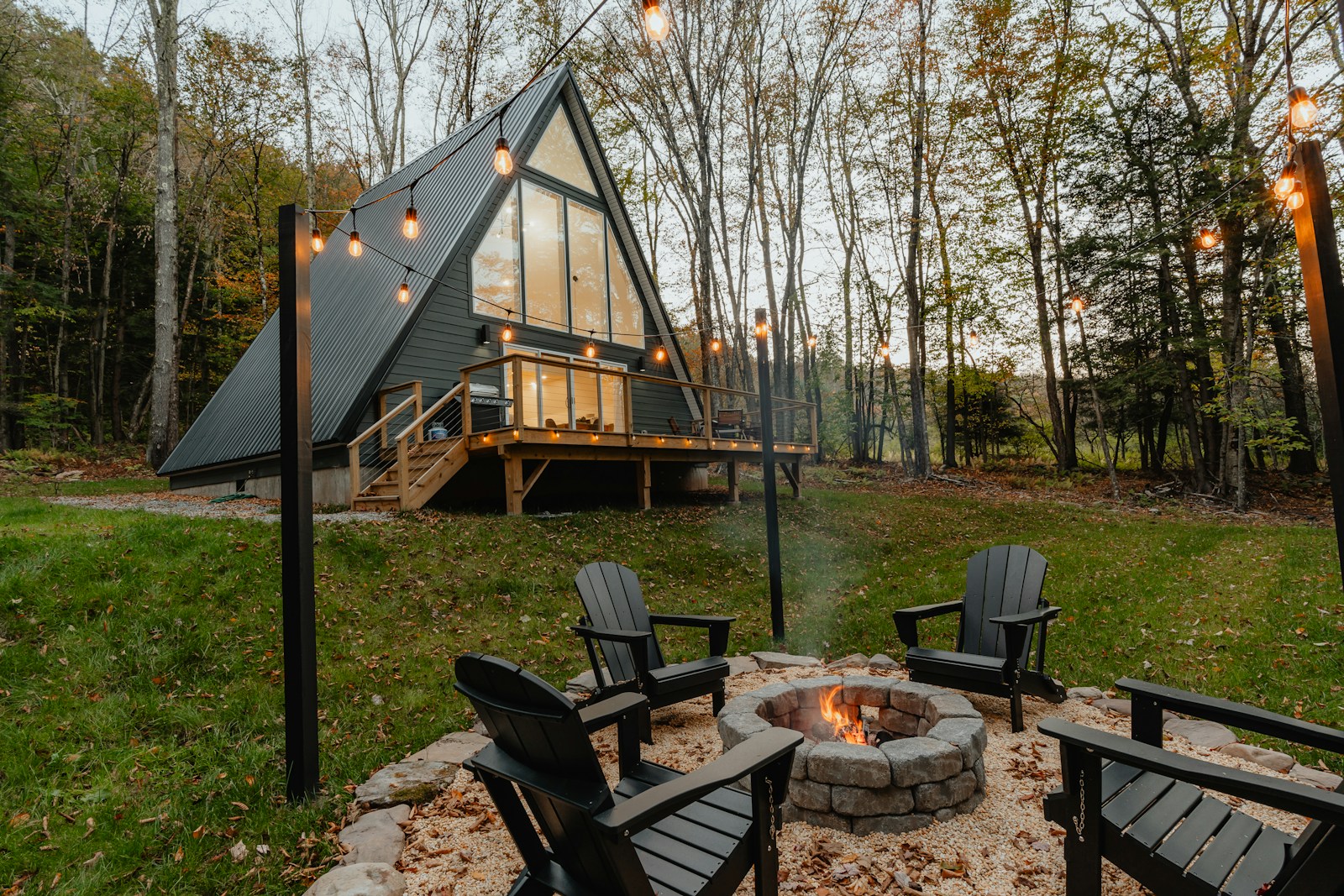
Buying a cottage property is exciting. Whether you picture summer weekends at the lake, a future retirement retreat, or a property that generates rental income when you’re not using it, cottage ownership can be incredibly rewarding.
But buying recreational property is different from buying a primary residence—and there are a few considerations that can catch buyers off guard if they aren’t prepared.
Before you start imagining dock sunsets and campfires, here’s what to think about.
1. Start With the Purpose: Lifestyle, Investment, or Both?
The first question isn’t where—it’s why.
Ask yourself:
Is this primarily for personal use?
Do I want to rent it part-time to offset costs?
Am I hoping for long-term appreciation?
Is this eventually going to become a retirement property?
Your goals influence everything else: location, property type, financing, carrying costs, and even maintenance expectations.
A cottage that makes a fantastic family getaway may not perform well as a short-term rental—and vice versa.
2. Understand the True Cost of Ownership
The purchase price is only the beginning.
Cottage ownership often comes with expenses people underestimate:
Property taxes
Insurance (which can be higher for seasonal or waterfront properties)
Utilities
Septic maintenance
Water system servicing
Dock maintenance
Snow removal
Landscaping
Travel costs to and from the property
Furnishings and replacement items
Build a realistic annual budget before committing.
3. Waterfront Doesn’t Always Mean What You Think
Waterfront is often the dream—but not all waterfront is created equal.
Questions worth asking:
Is the shoreline usable?
Is swimming good?
Is the water level stable?
Is the beach rocky, sandy, or steep?
Are there environmental restrictions?
Is the dock included?
Sometimes a property with shared access or a short walk to the lake provides better value than direct waterfront.
4. Four-Season vs Seasonal Access
Not every cottage is designed for year-round use.
Clarify:
Is the road maintained all year?
Is financing different for seasonal properties?
Can the plumbing operate through winter?
Is there reliable heating?
Can emergency services access the property year-round?
Even if you only plan to use it in summer today, future flexibility can matter.
5. Water, Septic, and Services Matter More Than Countertops
Cottages often rely on private systems.
Understand:
Water source (well, lake intake, community system)
Septic age and capacity
Water quality testing
Internet availability
Cell reception
Electrical service and upgrades
A beautiful renovation doesn’t matter much if the infrastructure becomes expensive to replace.
6. Know the Rules Before You Buy
Especially if rental income is part of the plan.
Research:
Short-term rental restrictions
Municipal bylaws
Zoning
Occupancy rules
Renovation limitations
Dock and shoreline regulations
Assuming you can rent a property can lead to expensive surprises.
7. Think About Maintenance From a Distance
Many cottage owners underestimate how much work is involved.
Ask yourself:
How often will we realistically visit?
Who checks on the property?
Are we comfortable maintaining it?
Should we budget for property management?
Sometimes the perfect cottage is actually the one that requires less upkeep.
8. Buy for the Experience You Want
It’s easy to chase features.
Instead, think about your ideal day.
Coffee on the dock?
Boating?
Quiet reading weekends?
Hosting family?
Rental guests?
The right property supports the lifestyle you want—not just the photos.
Final Thoughts
A cottage can become one of the most meaningful purchases you make—but it’s also a different kind of ownership than your primary home.
The best cottage purchases happen when excitement is balanced with planning.
Do your homework, understand the ongoing costs, and choose a property that fits both your lifestyle and your long-term financial goals.
Because the goal isn’t just owning a cottage—it’s enjoying it for years to come.

Comments:
Post Your Comment: