Winnipeg Realtor and Real Estate Blog

RSS

Buying Your First Investment Property? Start With These Decisions First

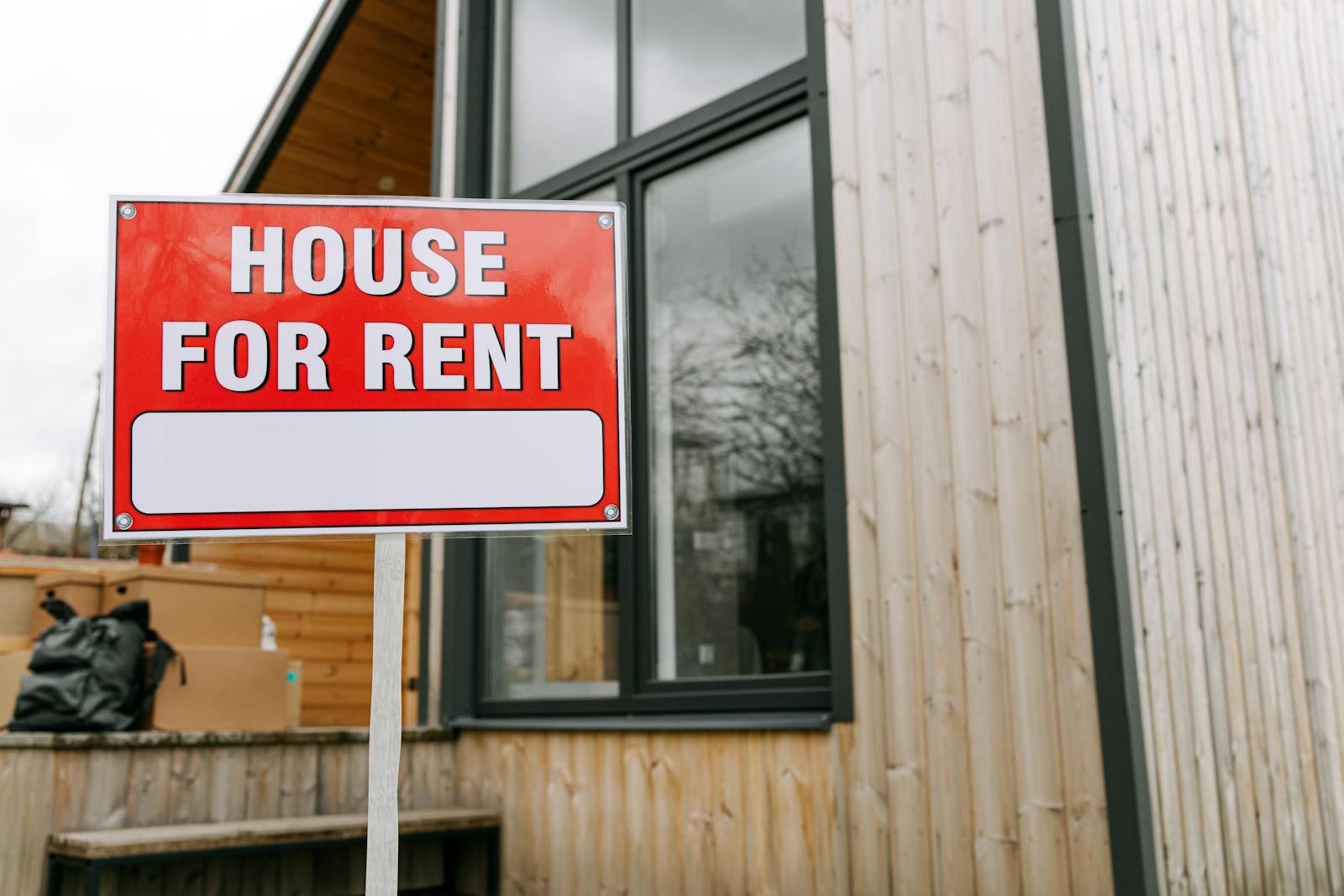
Buying your first investment property is exciting — but before you start scrolling listings or calculating mortgage payments, there are a few bigger-picture decisions that matter even more.

The best investment property isn’t always the one with the highest rent, the lowest price, or the nicest finishes.

It’s the one that matches your goals.

Here are the conversations every first-time investor should have before buying.

1. Define Your End Goal First

Before choosing a property, decide what success looks like.

Ask yourself:

  • Do I want monthly income now?

  • Do I want long-term wealth growth?

  • Am I hoping this becomes a retirement strategy?

  • Do I eventually want multiple properties?

  • Could I see myself living in this property one day?

Your answer changes everything.

Someone focused on monthly cash flow may buy very differently than someone focused on long-term appreciation.

Before choosing a property, decide what success looks like.

Equity Growth Focus

Goal: Build wealth through property appreciation and mortgage paydown.

You might prioritize:

  • Desirable locations

  • Areas with future development

  • Properties with long-term growth potential

  • Homes with renovation upside

Monthly numbers may be tighter — but the long-term gains can be meaningful.

Neither approach is right or wrong. The key is buying intentionally.

3. Know Your Ideal Tenant Before You Buy

One mistake first-time investors make: buying a property first and figuring out the tenant later.

Instead, reverse it.

Ask:

  • Who would want to live here?

  • Young professionals?

  • Families?

  • Students?

  • Retirees?

  • Seasonal renters?

Your ideal tenant impacts:

  • Property type

  • Location

  • Number of bedrooms

  • Finishes and maintenance

  • Expected turnover

The easiest rental to manage is often the one designed around a very specific renter.

4. Think Beyond the Mortgage Payment

Many first-time investors underestimate true ownership costs.

Budget for:

  • Property taxes

  • Insurance

  • Utilities (if included)

  • Repairs and maintenance

  • Vacancy periods

  • Property management (if applicable)

  • Capital expenses over time

A property that looks profitable on paper can feel very different once real expenses show up.

5. Be Honest About How Hands-On You Want to Be

Do you want:

  • A mostly passive investment?

  • To manage tenants yourself?

  • To renovate and increase value?

  • Something turnkey and low maintenance?

Your lifestyle matters.

An investment should support your life — not become another full-time job.

6. Buy for Today — But Leave Room for Tomorrow

Your first investment property probably won’t be your forever strategy.

Look for flexibility.

Can:

  • Rent support itself if interest rates change?

  • The layout attract multiple tenant types?

  • The property adapt over time?

Strong investments often give you options.

Final Thoughts

Your first investment property doesn’t need to be perfect.

It needs to align with your goals, your risk tolerance, and your long-term plan.

The investors who tend to do best aren’t the ones who buy fastest.

They’re the ones who buy with a clear strategy.

Thinking about your first investment purchase and not sure which approach fits your goals? Let’s talk through the options before you start shopping.

Read

House Rich, Cash Poor? Understanding Your Options as a Homeowner

You may have heard the phrase "house rich, cash poor."

It describes a situation many homeowners find themselves in: they have built significant equity in their home, but day-to-day finances feel increasingly tight.

Rising costs, higher interest rates, unexpected expenses, and changing life circumstances can put pressure on even well-planned household budgets. The good news is that homeowners often have more options available than they realize.

The first step is understanding what those options are before making any major decisions.

What Does "House Rich, Cash Poor" Mean?

Being house rich doesn't necessarily mean you're wealthy.

It simply means that a large portion of your net worth is tied up in your home rather than being readily available as cash.

For example, a homeowner may have:

  • Significant equity in their property

  • A manageable mortgage balance

  • Rising monthly expenses

  • Limited savings or emergency funds

  • High-interest consumer debt

On paper, they may be in a strong financial position. In reality, monthly cash flow may feel strained.

You're Not Alone

Financial pressure can happen for many reasons:

  • Rising household expenses

  • Changes in employment income

  • Divorce or separation

  • Unexpected medical or family situations

  • Supporting children through education

  • Caring for aging parents

  • Major home repairs or maintenance

Many homeowners experience periods where their financial situation changes faster than expected.

The important thing is recognizing that financial challenges don't automatically mean selling your home is your only option.

Before You Assume You Need to Sell

When homeowners feel financial pressure, they sometimes jump straight to the conclusion that selling is necessary.

In some situations, selling may absolutely be the right decision.

But before making that choice, it's worth understanding the full picture.

Questions to consider include:

  • How much equity do you currently have?

  • What is your home worth in today's market?

  • Is the financial challenge temporary or long-term?

  • Are there financing options available?

  • Would restructuring existing debt improve cash flow?

  • Could a different mortgage structure provide relief?

Every situation is unique, which is why understanding your options is so important.

Equity Can Create Flexibility

The equity you've built over time may provide opportunities that weren't available when you first purchased your home.

Depending on your circumstances, homeowners sometimes explore options such as:

  • Refinancing their mortgage

  • Consolidating higher-interest debt

  • Adjusting mortgage terms

  • Funding necessary home improvements

  • Creating additional income-generating space within the home

These decisions should always be made carefully and with professional advice, but understanding what's possible can help reduce stress and create a clearer path forward.

Knowledge Creates Better Decisions

One of the biggest mistakes homeowners make is waiting until a situation becomes urgent before exploring their options.

When financial pressure starts building, information becomes incredibly valuable.

Understanding:

  • Your home's current value

  • Your mortgage position

  • Your available equity

  • Your financing options

can help you make proactive decisions rather than reactive ones.

The Importance of Building a Team

Major financial decisions should never be made in isolation.

Depending on your situation, it may be helpful to speak with:

  • A mortgage professional

  • Your financial advisor

  • An accountant

  • A real estate professional

Each can provide a different perspective and help you understand the potential benefits and risks of any decision.

The Bottom Line

Financial challenges can feel overwhelming, especially when it seems like your home is your biggest asset but doesn't help with day-to-day cash flow.

The reality is that homeowners often have more options than they realize.

Before assuming that selling is your only path forward, take time to understand your home's current value, the equity you've built, and the opportunities that may be available to you.

The more information you have, the more confident you'll be in choosing the right path for your family's future. We are happy to sit with you and share whatever information can be helpful as you shape your next steps. Reach out today!

Read

How to Make Your Offer Stand Out (Without Overpaying)”

What Makes an Offer Attractive Besides Price?

When buyers think about competing for a home, the first instinct is usually: offer more money.

But price is only one piece of the equation.

Sellers aren’t just choosing the biggest number—they’re choosing the offer that feels the most likely to close smoothly, with the least stress and risk.

Here are some of the biggest things that can make an offer more attractive besides price.

1. Flexible Possession Date

One of the simplest ways to strengthen your offer is to align with the seller’s timeline.

Maybe they need:

  • Extra time to find their next home

  • A quick close because they’ve already purchased

  • Time to finish school or relocate

Matching their ideal possession date can sometimes matter more than a few thousand dollars.

Ask your REALTOR®: “What matters most to the seller?”

2. Fewer Conditions (Only When You’re Comfortable)

Conditions protect buyers—but every condition introduces uncertainty for a seller.

Common conditions include:

  • Financing approval

  • Home inspection

  • Sale of buyer’s existing property

A clean offer with fewer conditions can feel much stronger.

That said: removing conditions should never mean removing due diligence. The goal is being informed—not reckless.

3. Strong Deposit

A larger deposit signals commitment.

To sellers, it can communicate:

  • Financial readiness

  • Serious intent

  • Lower perceived risk of the deal falling apart

A deposit isn’t usually additional money—it forms part of your purchase funds later.

4. Financial Preparedness

Pre-approval matters.

When buyers already have financing lined up and documents organized, sellers often feel more confident accepting their offer.

Prepared buyers tend to move faster and create fewer surprises.

5. Clean, Simple Terms

Complicated offers can create hesitation.

Examples:

  • Multiple amendments

  • Long timelines

  • Excessive requests

  • Unclear language

Simple, organized offers are easier for sellers to say yes to.

6. Respectful Negotiation

Winning isn’t always about squeezing every last dollar.

Strong buyers know where to negotiate—and where to focus on keeping momentum.

Sometimes preserving goodwill gets the deal done.

7. Understanding the Seller’s Motivation

Every seller has a different priority.

Some want:

  • Maximum price

  • Speed

  • Certainty

  • Convenience

  • Flexibility

The strongest offers solve the seller’s problem.

Final Thought

The best offer isn’t always the highest offer.

If you’re buying, think beyond price and ask: How can we make this easier, safer, or more convenient for the seller while still protecting our goals?

That’s often where the winning strategy lives. https://winnipeghomeconnection.com/writing-an-offer-winnipeg.html


Read

How Much Equity Do You Actually Have in Your Home?

For many homeowners, their home is their largest financial asset. Yet surprisingly few people know how much equity they have built over the years.

Whether you've owned your home for five years or twenty-five, understanding your equity can provide valuable insight into your overall financial picture and may open up options you didn't realize were available.

What Is Home Equity?

Simply put, home equity is the difference between what your home is worth today and what you still owe on your mortgage.

For example:

  • Current home value: $450,000

  • Remaining mortgage balance: $250,000

  • Home equity: $200,000

As you make mortgage payments and as property values increase over time, your equity typically grows.

Why Homeowners Are Often Surprised by Their Equity

Many homeowners haven't checked their home's value in years.

Over the past decade, many Canadian communities have experienced significant changes in property values. Even in markets that have seen fluctuations, homeowners who purchased several years ago may have built more equity than they realize.

In addition, every mortgage payment gradually reduces the amount owed, increasing your ownership stake in the property.

The result? Many homeowners are sitting on substantial equity without fully understanding its value.

Why Knowing Your Equity Matters

Understanding your equity isn't just about knowing a number. It can help you make informed decisions during both opportunities and challenges.

Homeowners often review their equity when considering:

  • Renovating their current home

  • Purchasing another property

  • Helping family members financially

  • Planning for retirement

  • Consolidating debt

  • Navigating unexpected life changes

  • Evaluating whether moving makes financial sense

The more you understand your equity position, the more options you may have available.

How to Estimate Your Home's Equity

There are two key pieces of information you need:

1. Your Current Mortgage Balance

Your lender can provide your current mortgage balance, or you may find it through your online banking portal or annual mortgage statement.

2. Your Home's Current Market Value

This is where many homeowners make incorrect assumptions.

Online estimates can provide a rough idea, but they often don't account for:

  • Recent renovations

  • Property condition

  • Neighbourhood trends

  • Comparable sales

  • Unique features of your home

A professional market evaluation can provide a more accurate picture of what buyers may be willing to pay in today's market.

Equity Can Create Options

Many homeowners think about their home's value only when they plan to sell.

In reality, understanding your equity can help you make informed financial decisions long before a move is on the horizon.

Whether you're planning for the future, exploring renovation ideas, considering a major life change, or simply wanting a clearer picture of your finances, knowing your home's value is an important first step.

The Bottom Line

Your home may be worth more than you think—and the equity you've built could represent opportunities you haven't yet considered.

If it's been a while since you've reviewed your home's current market value, now may be a good time to find out where you stand. Understanding your equity today can help you make more confident decisions tomorrow. This is a complimentary service we provide. Get started here today!

Read

The Hidden Reasons Some Winnipeg Homes Sit on the Market

Some homes in Winnipeg sell within days and attract multiple offers. Others sit on the market for weeks — sometimes even months — with little activity.

And surprisingly, it’s not always because there’s something “wrong” with the house.

After helping buyers and sellers across Winnipeg, we’ve noticed the same patterns come up again and again. In many cases, homes that struggle to sell are running into avoidable issues with pricing, presentation, preparation, or strategy.

If you’re thinking about selling your home, here are some of the hidden reasons listings can lose momentum — and what sellers can do differently.

1. The Price Sends the Wrong Message

Pricing is one of the biggest factors in how quickly a home sells, but not always for the reasons people think.

Many sellers assume pricing high “leaves room to negotiate.” In reality, overpricing often reduces the number of buyers who even consider booking a showing.

Today’s buyers are incredibly informed. They’re watching new listings daily, comparing homes online, and noticing price reductions. When a property is priced noticeably above similar homes, buyers often assume one of two things:

  • the seller is unrealistic

  • or there’s something wrong with the property

The first 1–2 weeks on the market are usually when a listing gets the most attention. If the price misses the mark during that window, the home can quickly lose momentum.

In many cases, properly priced homes create more urgency — and sometimes stronger offers — than overpriced homes that sit.

2. The Listing Photos Aren’t Helping

For most buyers, the first showing happens online.

Before anyone books a tour, they’re scrolling through photos on their phone and making split-second decisions about whether a home feels worth seeing in person.

Unfortunately, poor listing photos can make even great homes feel underwhelming.

Some common issues we see include:

  • dark rooms

  • cluttered spaces

  • crooked or distorted angles

  • too many personal items

  • poor lighting

  • furniture that overwhelms the room

  • seasonal curb appeal challenges

This is especially important during Winnipeg winters, when natural light can already be limited.

Professional photography, proper preparation, and thoughtful staging can completely change how buyers perceive a home online. Small improvements in presentation often make a much bigger difference than sellers expect.

3. Small Maintenance Issues Create Bigger Concerns

Minor issues can create major doubts in a buyer’s mind.

Things like:

  • peeling paint

  • damaged trim

  • old caulking

  • dripping taps

  • cracked tiles

  • worn flooring

  • musty smells

  • messy utility spaces

may seem cosmetic to a seller, but buyers often interpret them differently.

Instead of seeing “small fixes,” many buyers start wondering:

“What else hasn’t been maintained?”

In Winnipeg, buyers are particularly sensitive to anything related to:

  • foundations

  • grading

  • moisture

  • water intrusion

  • aging windows

  • poor workmanship

  • older mechanical systems

Even if the issue itself is minor, visible deferred maintenance or poor workmanship can make buyers nervous about the unknown.

The good news is that many of these concerns are relatively inexpensive to address before listing — and can significantly improve buyer confidence.

4. Buyers Can’t Understand How the Space Works

This is especially common in older Winnipeg homes.

Sometimes a room’s purpose isn’t immediately obvious because of:

  • unusual layouts

  • additions

  • oversized furniture

  • empty rooms

  • converted spaces

  • awkward basement setups

When buyers feel confused about how they would actually live in the space, they tend to disconnect emotionally from the home.

Clear staging helps buyers quickly understand:

  • where furniture fits

  • how traffic flows

  • how a space could function for their lifestyle

A spare room staged as a home office, gym, nursery, or guest room instantly helps buyers picture possibilities.

The easier it is for buyers to imagine themselves living in the home, the stronger the emotional connection becomes.

5. The Showing Experience Feels Awkward

Even motivated buyers can lose interest if showings feel stressful or uncomfortable.

Some common issues include:

  • limited showing availability

  • clutter during appointments

  • pets in the home

  • strong cooking or pet odours

  • dark or closed rooms

  • sellers staying home during showings

  • last-minute cancellations

Buyers want to feel relaxed while viewing a property. If they feel rushed, distracted, or uncomfortable, they often leave without fully connecting to the home.

Flexibility matters more than many sellers realize. The easier it is to view a home, the more opportunities there are for the right buyer to walk through the door.

6. The Listing Never Created Momentum

Homes that sell quickly usually don’t happen by accident.

There’s often a lot happening behind the scenes before a home ever hits the market:

  • preparation

  • pricing strategy

  • timing

  • photography

  • staging

  • marketing

  • social media exposure

  • launch planning

Strong listings create momentum early. Buyers notice activity, showings increase, and urgency builds.

When that initial momentum never happens, listings can start to feel stale — even if the home itself is perfectly good.

A successful sale is rarely about just “putting a sign on the lawn.” Strategy matters.

Final Thoughts

If a home sits on the market, it doesn’t necessarily mean the property is bad. More often, it’s a combination of pricing, presentation, preparation, and buyer perception.

The good news is that many of these issues are preventable with the right plan before listing. Our Seller’s ToolKit does just that - a guide to help you prepare for the best possible outcome. Click HERE to learn more!

If you’re thinking about selling your home in Winnipeg and want advice on how to position it effectively in today’s market, we’d be happy to help you build a strategy that makes sense for your home and your goals.

Read

Why Condo Fees Vary So Much in Winnipeg (and What High Fees Really Mean)

If you’ve started looking at condos in Winnipeg, you’ve probably noticed something confusing:

Two similar condos… same price range… same size…
But one has $280/month condo fees—and the other is $550+.

So what’s going on?

Are high condo fees a red flag?
Or could they actually be a good thing?

Let’s break it down in plain English.

What Condo Fees Actually Are

Condo fees (sometimes called “condo contributions”) are your share of the costs to maintain and operate the building or complex.

They typically cover things like:

  • Building maintenance (roof, exterior, common areas)

  • Snow removal and landscaping

  • Building insurance

  • Property management

  • Reserve fund contributions (more on that below)

  • Sometimes utilities (heat, water, etc.)

Think of it this way:
👉 Condo fees are what replace the “surprise costs” you’d normally handle yourself in a house.

Why Condo Fees Can Vary So Much

Here’s the key:
Condo fees aren’t random—they reflect how the building is run.

1. What’s Included (This is a Big One)

Some condos include:

  • Heat

  • Water

  • Parking

  • Even cable or internet

Others include almost nothing beyond basic maintenance.

👉 A condo with higher fees might actually cost you the same—or less overall once you factor in utilities.

2. Age of the Building

Older buildings tend to have:

  • Higher maintenance needs

  • More frequent repairs

  • Larger reserve fund contributions

That usually means higher condo fees.

But that’s not necessarily bad—it can mean the building is being properly maintained.

3. Amenities

Elevators, underground parking, gyms, pools, and common spaces all cost money to maintain.

👉 More amenities = higher fees

A simple townhouse-style condo will almost always have lower fees than a high-rise with elevators and shared facilities.

4. Reserve Fund Health

This is one of the most important (and most overlooked) factors.

Every condo corporation should have a reserve fund—a savings account for major future repairs like:

  • Roof replacement

  • Windows

  • Parking structures

  • Mechanical systems

If a condo is:

  • Well-funded → fees may be higher (proactive planning)

  • Underfunded → fees may look low… but risk is higher

👉 Low fees can sometimes be a warning sign, not a benefit.

5. Property Management Quality

Well-managed buildings:

  • Budget properly

  • Plan ahead

  • Maintain the property consistently

Poorly managed ones may:

  • Keep fees artificially low

  • Delay maintenance

  • Hit owners with large special assessments later

Are High Condo Fees a Bad Thing?

Not necessarily—and this is where many buyers get it wrong.

High condo fees can mean:

✔️ Strong reserve fund
✔️ Well-maintained building
✔️ Fewer surprise costs
✔️ Better long-term stability

But they can also mean:

❗ Inefficiencies
❗ Overpaying for services
❗ Amenities you don’t use

The Real Risk: Low Condo Fees

Low fees look attractive—but they can come with hidden risks:

  • Underfunded reserve fund

  • Deferred maintenance

  • Higher chance of special assessments

A special assessment is when owners are required to pay a lump sum (sometimes thousands of dollars) for major repairs.

👉 Example:
A building with low fees may suddenly require each owner to pay $10,000 for a new roof.

That “cheap” condo doesn’t feel so cheap anymore.

What You Should Look At (Beyond the Monthly Fee)

When evaluating a condo, don’t just ask:

“What are the fees?”

Ask:

  • What do the fees include?

  • How much is in the reserve fund?

  • Has a reserve fund study been done recently?

  • Are there any upcoming major repairs?

  • Have there been past special assessments?

  • How well is the building maintained?

The Bottom Line

Condo fees aren’t just a number—they tell a story about the building.

👉 High fees aren’t automatically bad
👉 Low fees aren’t automatically good

The goal is to find a condo where:

  • Fees are appropriate for what you’re getting

  • The building is financially healthy

  • Future risks are minimized

Thinking About Buying a Condo in Winnipeg?

Understanding condo fees is just one piece of the puzzle.

Before you buy, you’ll also want to know:

  • What documents to review

  • How the 7-day cooling-off period works

  • What condo rules can impact your lifestyle

  • How to spot potential red flags

👉 Download our full Condo Buying Guide for a step-by-step breakdown of everything you need to know before you buy.

Read

Don’t Wait Until You’re “Ready” to Talk to a Realtor (Read This First)

If you’re thinking about selling your home, you might feel like you need to “get it ready” before reaching out to a realtor.

We hear it all the time:

  • “We’ll call once we’ve done a few updates.”

  • “We just want to fix a few things first.”

  • “We’re not quite ready yet.”

It makes sense—you want to make smart decisions and maximize your sale price.

But here’s what most homeowners don’t realize:

Waiting can actually cost you money.

Why Talking to a Realtor Early Matters

Before you spend a dollar on updates, it’s important to know:

👉 Not all improvements increase your home’s value
👉 Some projects don’t pay off at all
👉 Others are completely unnecessary in today’s market

An early conversation helps you focus only on what will actually impact your bottom line.

The Biggest Mistake Sellers Make

One of the most common (and costly) mistakes?

Doing too much—or the wrong things—before getting professional advice.

We’ve seen sellers:

  • Invest thousands into renovations that didn’t increase their sale price

  • Spend weeks on projects buyers didn’t care about

  • Overlook simple updates that would have made a bigger impact

The result: more stress, more time, and less return.

What Actually Helps You Net More Money

Maximizing your equity isn’t about doing everything—it’s about doing the right things.

That often includes:

  • Strategic, high-impact cosmetic updates

  • Preparing your home for photos and showings

  • Understanding what buyers in your market actually expect

  • Pricing and timing your listing correctly

And sometimes?

The best advice we give is what not to do.

Where We Save Sellers Time, Money, and Hassle

A big part of our job is helping you avoid unnecessary work.

We often guide sellers away from:

  • Full kitchen or bathroom renovations

  • Replacing perfectly acceptable flooring

  • Over-improving for the neighbourhood

And instead, we focus on:

  • Small changes with big visual impact

  • Cost-effective updates that photograph well

  • Creating a clean, move-in-ready feel buyers love

Don’t Guess—Start With a Plan

If you’re not sure where to start, that’s exactly why we created our prep guide.

👉 Start here: 30-Day Seller Prep Plan

This step-by-step plan walks you through exactly what to do (and when) so you can prepare your home strategically—not reactively.

The Risk of Waiting Too Long

When you wait until everything feels “done”:

  • Your budget may already be spent in the wrong areas

  • You lose the ability to prioritize effectively

  • You may feel rushed to list just to move on

And that can directly impact your final sale price.

The Bottom Line

You don’t need to be “ready” to talk to a realtor.

You just need a plan.

The earlier you get expert input, the more confident—and profitable—your decisions will be.

Thinking About Selling in Winnipeg?

Whether you’re planning a move in a few months or just starting to think about it, we’re happy to help you map out your next steps.

No pressure. Just smart strategy.

Click Here Download our 30-Day Seller Prep Plan Today!

Read

What to Do When You Inherit a House in Winnipeg (Step-by-Step Guide for Executors)

If you’ve recently been named an executor or inherited a home, you’re likely dealing with more than just paperwork—you’re navigating grief, family dynamics, and a long list of unfamiliar responsibilities.

One of the biggest questions we hear is:
“What do I actually do with the house?”

The truth is, there’s no single roadmap—but there are clear steps you can follow to protect the estate, avoid costly mistakes, and make confident decisions.

Step 1: Confirm the Legal Authority (Probate & Executor Role)

Before making any decisions about the property, you need to confirm:

  • Are you officially the executor?

  • Has probate been granted (if required in Manitoba)?

Without this, you may not legally be able to sell or transfer the home.

💡 Important: Not all estates require probate—but many do, especially when real estate is involved.

Step 2: Secure and Maintain the Property

Once the home becomes part of the estate, it’s your responsibility to protect it.

This includes:

  • Changing locks if needed

  • Notifying the insurance company

  • Ensuring the home is maintained (snow removal, yard care, etc.)

  • Keeping utilities active

Vacant homes can create insurance risks—so this step matters more than most people realize.

Step 3: Understand the Financial Picture

Before deciding whether to sell, you’ll need clarity on:

  • Mortgage balance (if any)

  • Property taxes

  • Utilities and ongoing costs

  • Estate debts

In many cases, the home needs to be sold to settle the estate fairly.

Step 4: Decide What to Do With the Contents

This is often the most overwhelming part.

You may need to:

  • Distribute items according to the will

  • Coordinate with family members

  • Arrange an estate sale or clean-out

💬 This is where emotions—and delays—tend to build up.

Step 5: Prepare the Home for Sale

Selling an estate property is different from a typical sale.

You may be dealing with:

  • Deferred maintenance

  • Outdated interiors

  • A fully furnished home

The goal isn’t perfection—it’s making smart decisions about what’s worth doing (and what’s not).

Step 6: Sell the Property (Without Costly Mistakes)

This is where having the right guidance matters most.

Common executor challenges:

  • Pricing the home correctly in its current condition

  • Deciding whether to renovate or sell as-is

  • Managing multiple beneficiaries’ expectations

  • Handling timelines tied to probate or legal requirements

The Biggest Mistake Executors Make

Trying to figure everything out alone.

Being an executor isn’t just an administrative role—it’s a major responsibility with legal and financial implications.

The right support can:

  • Reduce stress

  • Prevent delays

  • Help you maximize the estate’s value

Get the Full Executor’s Guide (Free Download)

If you’re navigating an estate sale in Winnipeg, we’ve put together a step-by-step guide to walk you through the entire process—from probate to preparing the home for sale.

👉 [Download the Executor’s Guide to Estate Sales in Winnipeg]

Read

The Market Isn’t Crazy — It’s Complicated: Why Some Winnipeg Homes Aren’t Selling (and What Sellers Need to Know)

If you’ve been watching the Winnipeg real estate market, you’ve probably heard two very different things:

  • “Homes are still selling.”

  • “It’s taking longer than expected.”

And if your home isn’t getting the attention you thought it would, it can feel confusing — even frustrating.

The truth is, both of those things are happening at the same time.

This isn’t the ultra-competitive market we saw a few years ago…
But it’s not a slow or failing market either.

It’s just more complicated.

What’s Actually Happening in Winnipeg Right Now

The Winnipeg market has shifted into something more balanced:

  • Prices have remained relatively stable

  • Buyers are still active

  • But there are fewer offers competing on every listing

In simple terms:

👉 Buyers have more choice than they used to.

And that one shift changes everything about how homes sell.

Why Some Homes Are Sitting (Even in a “Good” Market)

If your home isn’t selling — or you’re worried it won’t — it usually comes down to a few key factors.

1. Pricing Based on Yesterday’s Market

Many sellers are still pricing based on what homes could get during the peak frenzy.

But today’s buyers are more cautious.

They’re comparing options.
They’re waiting.
And they’re far less likely to overpay.

👉 Even small overpricing can cause a home to sit.

2. Buyers Are More Selective Than Ever

When inventory was tight, buyers had to compromise.

Not anymore.

Today’s buyers are looking for:

  • Move-in ready condition

  • Updated spaces

  • Homes that feel “worth it” the moment they walk in

If your home doesn’t stand out, it gets skipped.

3. Presentation Matters More Than Ever

In this market, first impressions aren’t just important — they’re everything.

That means:

  • Professional photos

  • Thoughtful staging (or at least strong preparation)

  • Clean, bright, and well-maintained spaces

👉 Buyers are deciding online first — before they ever book a showing.

4. Strategy Matters More Than Timing

There’s a common belief that “just list at the right time and it’ll sell.”

That worked in a hot market.

Today?

Not so much.

A successful sale now depends on:

  • Pricing strategy

  • Marketing exposure

  • How your home compares to others in its price range

4. Strategy Matters More Than Timing

There’s a common belief that “just list at the right time and it’ll sell.”

That worked in a hot market.

Today?

Not so much.

A successful sale now depends on:

  • Pricing strategy

  • Marketing exposure

  • How your home compares to others in its price range

What This Means If You’re Planning to Sell

If you’re thinking about selling in today’s market, the opportunity is absolutely still there.

But success looks a little different than it did before.

Today’s sellers need to focus on:

  • Accurate, data-driven pricing

  • Strategic preparation before listing

  • A clear plan to stand out from competing homes

The Bottom Line

This isn’t a bad market.

👉 It’s a more honest one.

Buyers are engaged — but they’re also informed, selective, and patient.

And that means the homes that succeed are the ones that are positioned properly from day one.

Wondering how your home would perform in today’s market?

Whether you’re planning to sell soon or just exploring your options, having the right strategy makes all the difference.

👉 Reach out for a no-pressure home evaluation or download our seller resources to get started.

Read

Why Your Deposit and Down Payment Can Win (or Lose) the House

When buyers think about making a competitive offer, they usually focus on one thing:

Price.

But in today’s market in Winnipeg, price alone doesn’t win homes.

We’ve seen it firsthand.

Recently:

  • Our client submitted the highest offer — but with weaker financial terms. The seller chose a slightly lower offer that felt stronger and more secure.

  • In another case, we weren’t the highest offer. But because our deposit and financial structure were strong, the seller chose to work with us — giving us the opportunity to counter and ultimately win.

So what made the difference?

Deposit vs. Down Payment — Why It Matters

The deposit is the money submitted shortly after an accepted offer. It forms part of your down payment, but its real purpose is to show commitment.

To a seller, a strong deposit says:

  • This buyer is serious.

  • This deal is less likely to fall apart.

  • There’s real financial confidence behind this offer.

If a buyer walks away without a valid reason, that deposit is at risk — which creates security for the seller.

The down payment (5%, 10%, 20%, etc.) signals financial strength and reduces the risk of financing issues. While sellers don’t receive it directly, it adds credibility to your offer.


The Truth: Strength Often Beats Price

Sellers aren’t just asking, “Which offer is highest?”

They’re asking:

“Which offer is most likely to close?”

A slightly lower offer with:

  • A strong deposit

  • Solid financing

  • Clean, confident terms

can absolutely beat a higher offer that feels uncertain.

We see this happen more often than buyers expect.


Strategy Over Emotion

There’s no one-size-fits-all deposit amount. It needs to be:

  • Meaningful relative to the purchase price

  • Strong enough to stand out

  • Structured strategically

Winning in real estate isn’t about throwing out the biggest number.

It’s about crafting the strongest overall offer.

And in competitive markets, the offer that feels safest to the seller often wins.


If you’re buying this year and want to understand how to structure your offer strategically, having the right guidance can make all the difference.

Read

Relocating to Winnipeg? Here’s What Most Families Don’t Realize Until It’s Too Late

Relocating isn’t just about buying a house.

It’s about rebuilding your routine, your community, and your sense of home — all at once.

Whether you're moving to Winnipeg for work, family, or a fresh start, there are a few things most people don’t realize until they’re already in the middle of it.

Let’s make sure you’re not one of them.

1. Winnipeg Neighbourhoods Feel Very Different From Each Other

On paper, two homes might look similar — same square footage, same price range, similar age.

But living in River Heights feels very different from living in Bridgwater, and both are completely different from North Kildonan.

Commute times, school zones, walkability, community vibe — these factors impact your daily life more than granite countertops ever will.

That’s why when we help families relocate, we start with lifestyle questions first — not house tours.

2. Winters Aren’t Just “Cold” — They Change How You Live

If you're relocating from a warmer climate, Winnipeg winters can be a shock. But they’re manageable — if you choose the right home.

Things like:

  • Attached garage vs detached

  • Mudroom space

  • Basement insulation

  • South-facing backyards

  • Proximity to major routes

These small details make a big difference in January.

3. The Market Moves Differently Than You Might Expect

Relocating buyers often assume the market works the same everywhere.

It doesn’t.

Some neighbourhoods move quickly. Others allow more negotiation. Some homes hold offers. Others don’t.

Understanding how Winnipeg’s market behaves — especially in your target area — protects you from overpaying or missing out.

4. The Emotional Side of Relocation Is Real

Even when it’s a positive move, relocation can feel overwhelming.

You’re coordinating:

  • Movers

  • Employment changes

  • School transfers

  • Utilities

  • New doctors

  • Paperwork

  • And a home purchase… at the same time

That’s why having a clear plan matters.

Planning a Move to Winnipeg?

We’ve created a dedicated relocation guide that walks you through:

  • How to narrow down neighbourhoods

  • What to know about Winnipeg’s market

  • Mistakes relocating families often make

  • A simple step-by-step plan for moving with confidence

👉 If you're planning a move, start here:
https://winnipeghomeconnection.com/moving-to-winnipeg.html

Relocation doesn’t have to feel chaotic.
With the right strategy — and the right guidance — it can actually feel exciting.

And we’d love to help you make it feel that way.

Read

🏆 Winnipeg’s #1 Real Estate Team in 2025

A Year of Results. A Standard of Excellence.

Real estate isn’t about transactions — it’s about solving problems.

In 2025, our team was recognized as the #1 Real Estate Team in Manitoba and ranked Top 10 in Canada with Century 21 for total units sold.

We’re proud of the recognition.
But more importantly, we’re proud of what it represents.

Because behind every ranking is a real client.
A real negotiation.
A real decision that mattered.


What a Year of Winnipeg Real Estate Really Looks Like

Every sale tells a story.

• Tight timelines
• Competitive offer situations
• Complex financing
• Inspection challenges
• Market shifts
• Emotional decisions

From first-time buyers in Winnipeg to seasoned sellers navigating timing and strategy, 2025 was filled with deals that required experience, patience, and strong negotiation.

This award reflects one thing:

Consistency.

Showing up.
Solving problems.
Delivering results.
Year after year after year.


What This Means for You

Recognition is earned — but its value is measured by what it means for the people we serve.

When you work with a top-performing Winnipeg real estate team, you get:

✔ More Experience at the Table

Hundreds of transactions create pattern recognition. We’ve seen what works — and what doesn’t.

✔ Stronger Negotiation

In competitive Winnipeg markets, negotiation isn’t optional. It’s strategy, timing, and leverage.

✔ Fewer Surprises

Experience helps anticipate issues before they become problems.

✔ Confidence in Every Decision

Buying or selling a home is one of the biggest financial decisions you’ll make. You deserve clarity and certainty.


Serving Winnipeg With Purpose

We don’t measure success only in awards.

We measure it in:

  • Clients who refer their friends and family

  • Repeat buyers and sellers

  • Smooth transactions in complex situations

  • Relationships that last beyond the closing date

Being named Winnipeg’s #1 real estate team in 2025 is an honor — but trust is what matters most.


Thank You

None of this happens alone.

To our team.
To our clients who trusted us.
To the family and friends who support us behind the scenes —

Thank you.

Your trust is the reason we continue to grow, improve, and raise the standard for real estate in Winnipeg.


Thinking About Buying or Selling in Winnipeg?

If you’re considering making a move in 2026 or beyond, we’d be happy to talk.

No pressure. Just real advice, backed by real experience.

Because when the stakes are high, experience isn’t optional — it’s everything.

Read
The trademarks REALTOR®, REALTORS®, and the REALTOR® logo are controlled by The Canadian Real Estate Association (CREA) and identify real estate professionals who are member’s of CREA. The trademarks MLS®, Multiple Listing Service® and the associated logos are owned by CREA and identify the quality of services provided by real estate professionals who are members of CREA. Used under license.